Program Areas

Water, Sanitation and Hygiene (WASH)
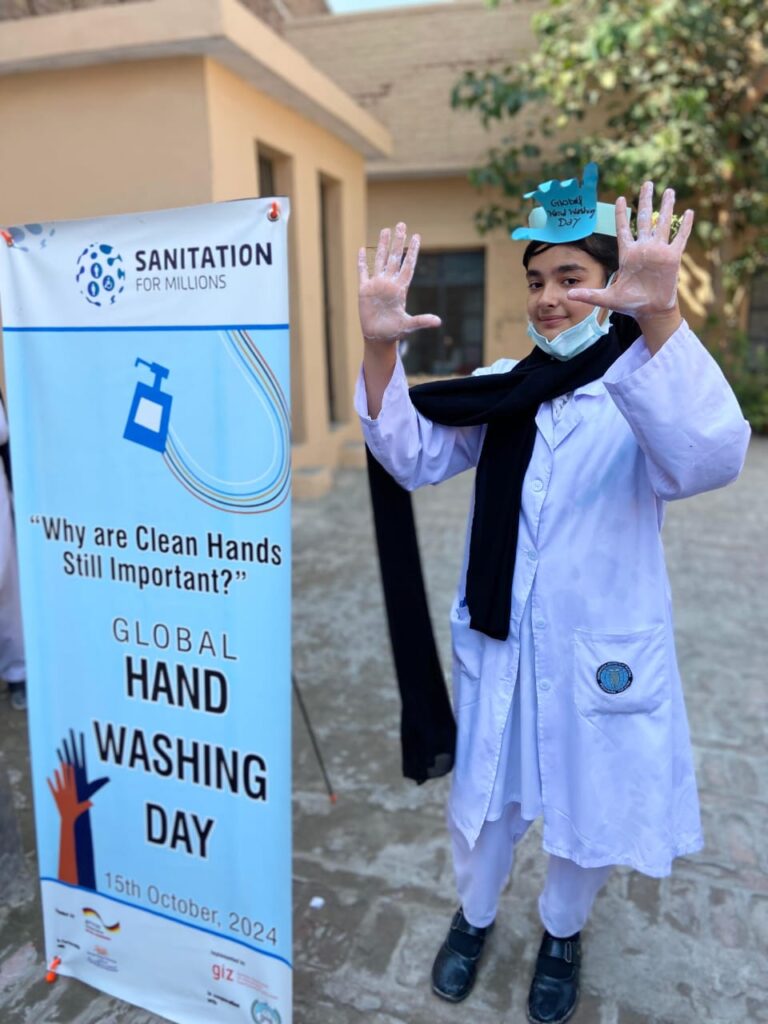
Access to safe water and adequate sanitation remains a critical challenge for many communities in Pakistan, particularly in rural, peri-urban, and disaster-affected areas. SABAWON’s WASH programs focus on improving public health outcomes by ensuring reliable access to safe drinking water, improved sanitation facilities, and sustained hygiene practices. Interventions include the construction and rehabilitation of water supply schemes, hand pumps, gravity-fed systems, and water storage facilities, as well as household and institutional sanitation infrastructure. SABAWON integrates hygiene promotion and behavior change communication into all WASH projects, working closely with communities, schools, and health facilities to promote safe hygiene practices. Institutional strengthening is a core component of SABAWON’s WASH approach. Community-based management structures are established and trained to operate and maintain facilities, ensuring ownership, sustainability, and accountability. All WASH interventions are designed in line with national standards and humanitarian principles, with particular attention to gender, disability inclusion, and climate resilience.

Health and Nutrition

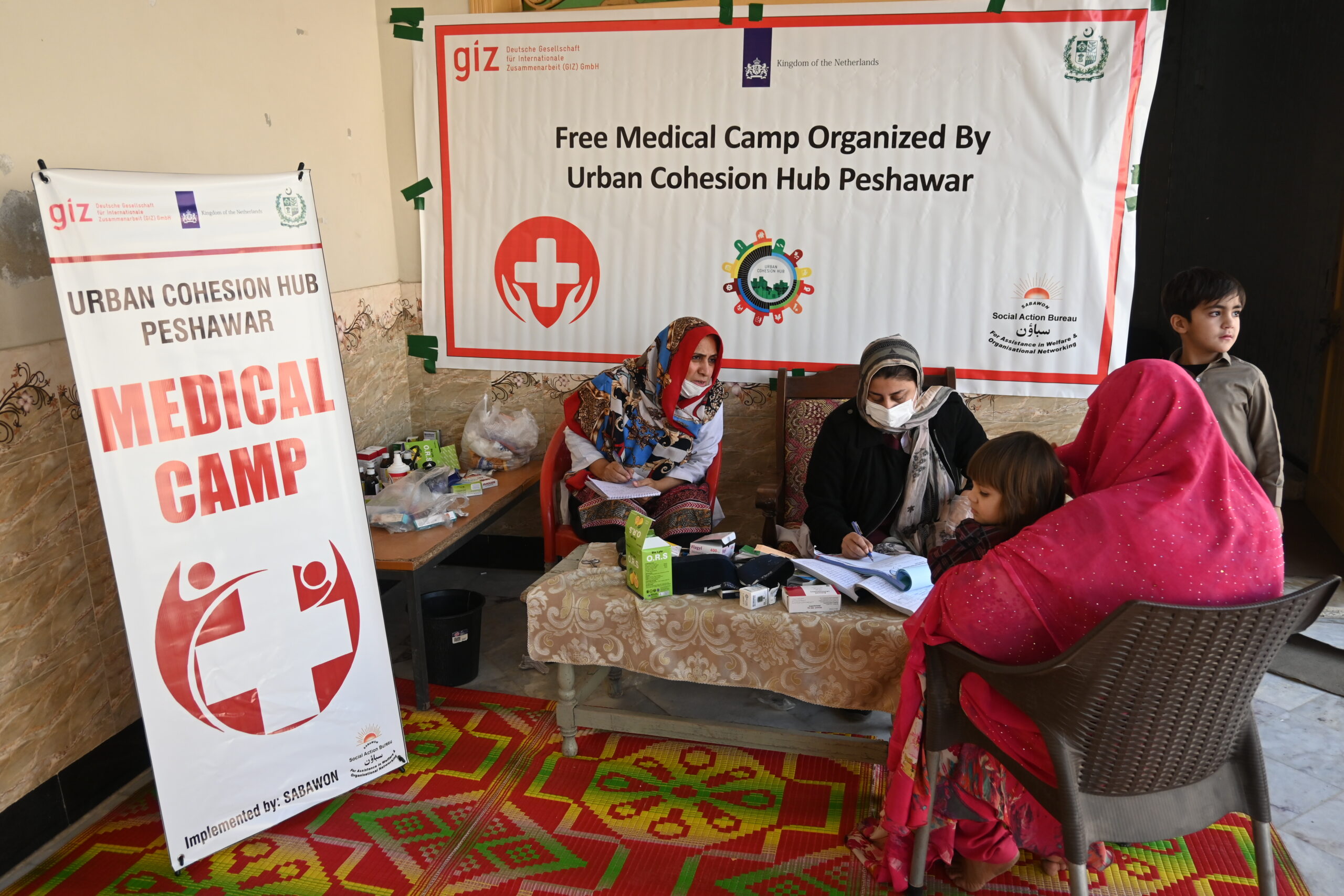
SABAWON catalyzes equitable access to essential health and nutrition services for underserved populations, with a focus on women, children, and vulnerable groups. The organization’s health programming prioritizes preventive and promotive care, community awareness, and strengthening of local health systems. Key interventions include support to primary healthcare services, maternal and child health initiatives, nutrition awareness campaigns, and community outreach through trained health workers. SABAWON collaborates with public health institutions to improve service delivery, referral systems, and community trust in health services. Nutrition programming addresses both immediate and underlying causes of malnutrition through community education, infant and young child feeding practices, and linkages with food security and livelihoods interventions. Health and nutrition activities are designed to complement government systems and contribute to improved health outcomes at the community level.

Education
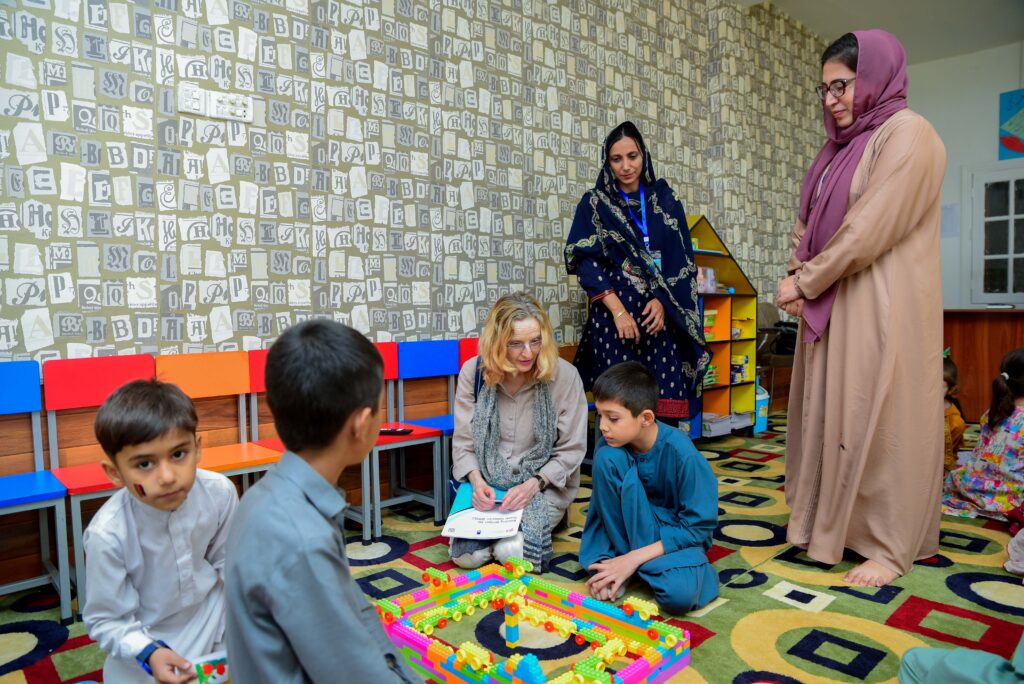
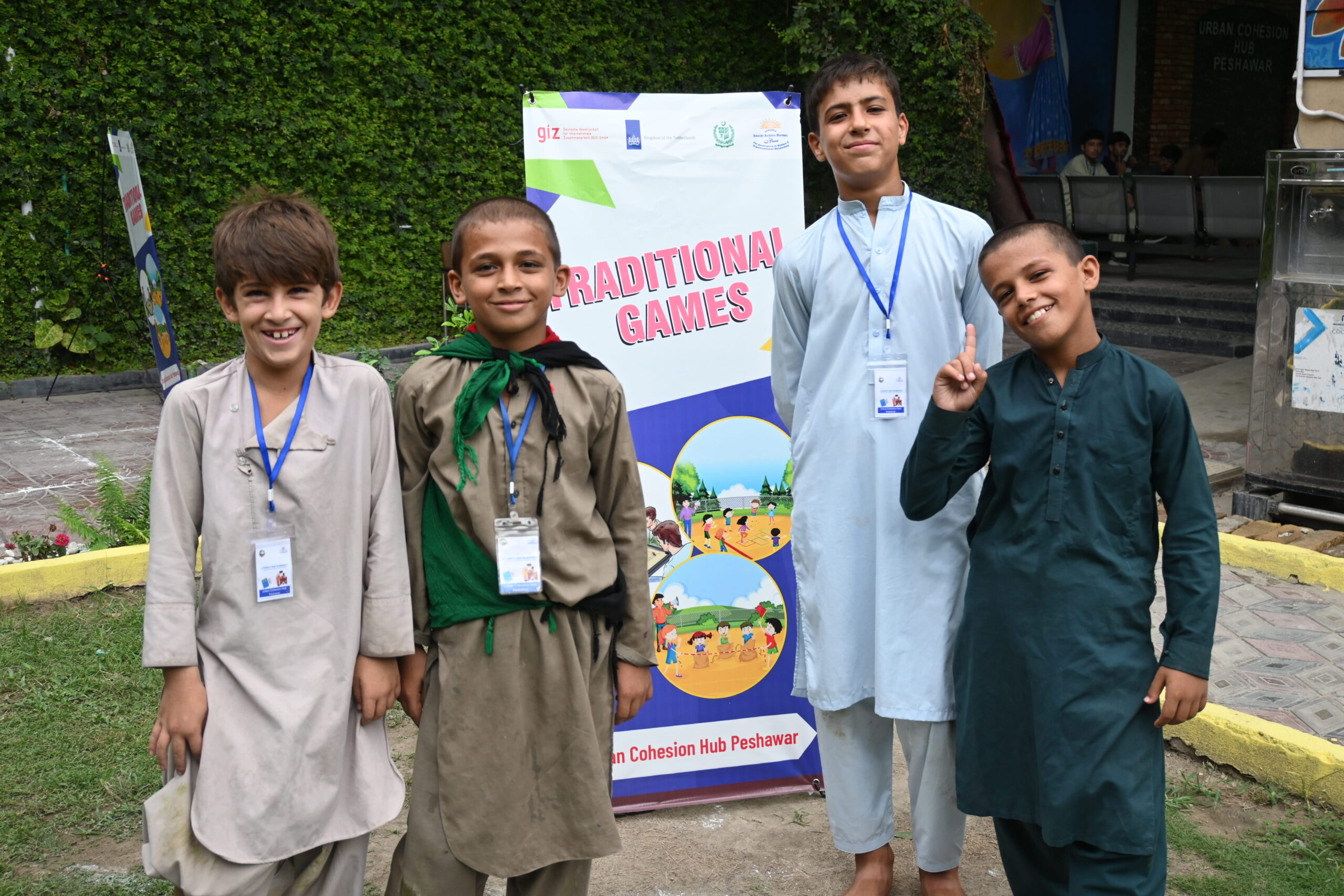
Education is central to SABAWON’s vision of inclusive and sustainable development. The organization works to improve access to quality education for children in marginalized and underserved communities, particularly where poverty, displacement, or emergencies disrupt learning opportunities. SABAWON supports education through community-based schools, rehabilitation of education infrastructure, provision of learning materials, and teacher capacity building. Programs emphasize safe and inclusive learning environments, with particular attention to girls’ education and children with disabilities. In emergency and post-crisis contexts, SABAWON implements education-in-emergencies interventions to ensure continuity of learning. Community engagement and coordination with education authorities remain integral to SABAWON’s education programming, ensuring alignment with national and provincial education priorities and sustainability.

Livelihoods and Food Security

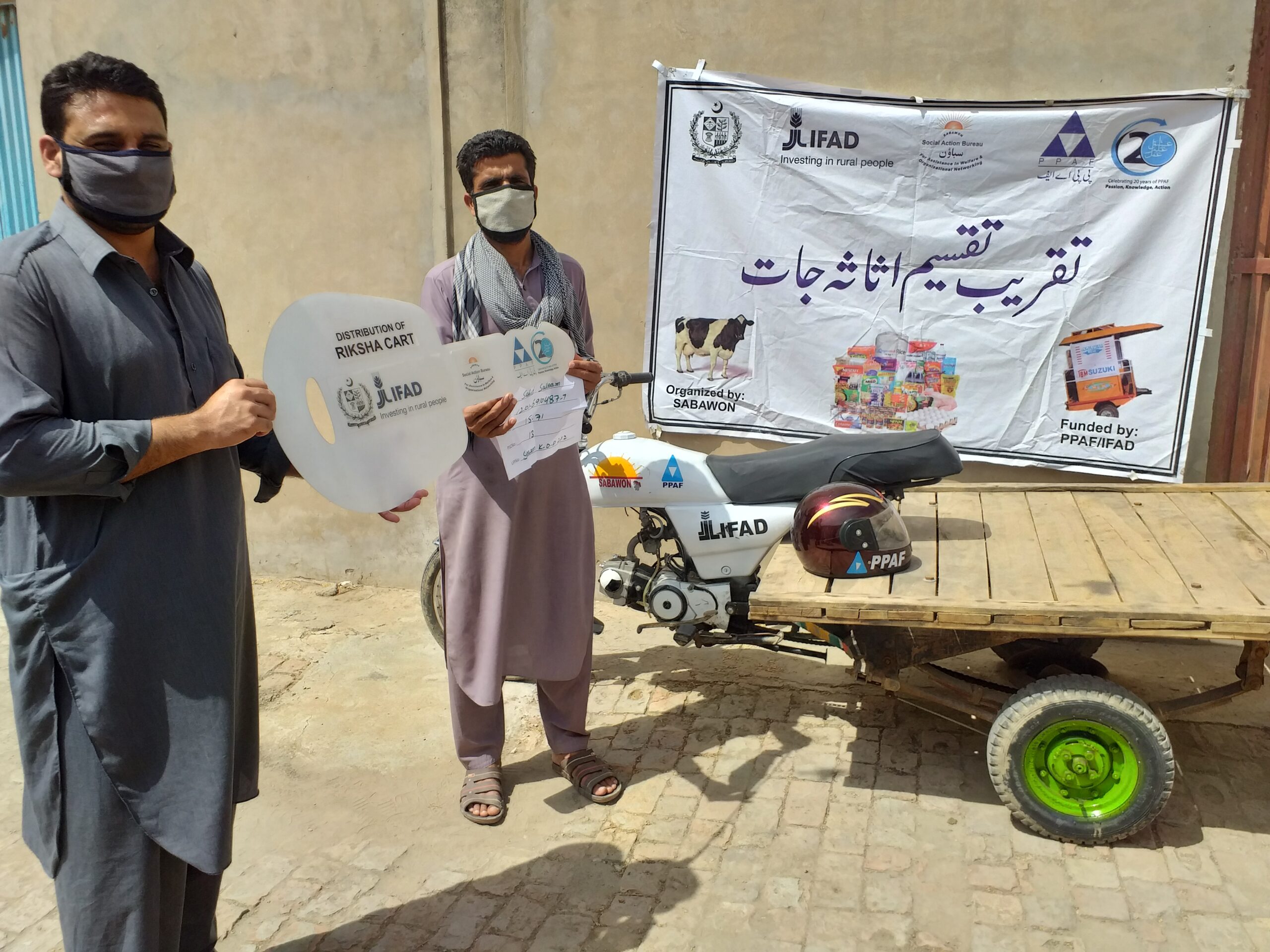
SABAWON’s livelihoods and food security programs aim to strengthen household resilience, reduce poverty, and improve food availability and access. Our strategic interventions encompass to address both income generation and food consumption needs, particularly for vulnerable households. Livelihood activities include skills development, enterprise support, cash-based assistance, and asset creation tailored to local market conditions. Food security interventions focus on improving access to nutritious food, supporting household food production, and strengthening coping capacities during shocks. By linking livelihoods with agriculture, vocational training, and market access, SABAWON promotes sustainable income pathways. Programs are inclusive and conflict-sensitive, ensuring participation of women, youth, and marginalized groups.

Technical and Vocational Education and Training (TVET)
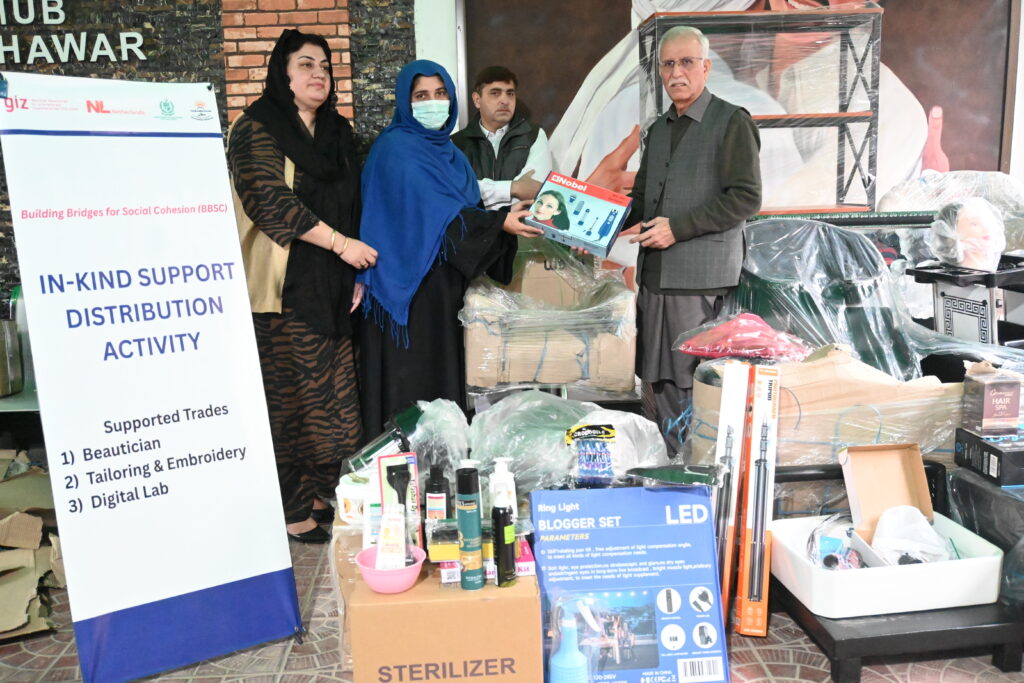
SABAWON implements TVET programs to enhance employability and economic participation of youth and vulnerable groups. These programs respond to local labor market demands and are designed to bridge the gap between skills development and income generation. Training is provided in market-relevant trades, supported by certification, practical learning, and linkages with employers or self-employment opportunities. SABAWON works with training institutions, private sector actors, and community stakeholders to ensure relevance and quality. TVET interventions are often integrated with entrepreneurship support, life skills, and mentoring to improve long-term employment outcomes and economic resilience.

Women Empowerment and Gender Inclusion

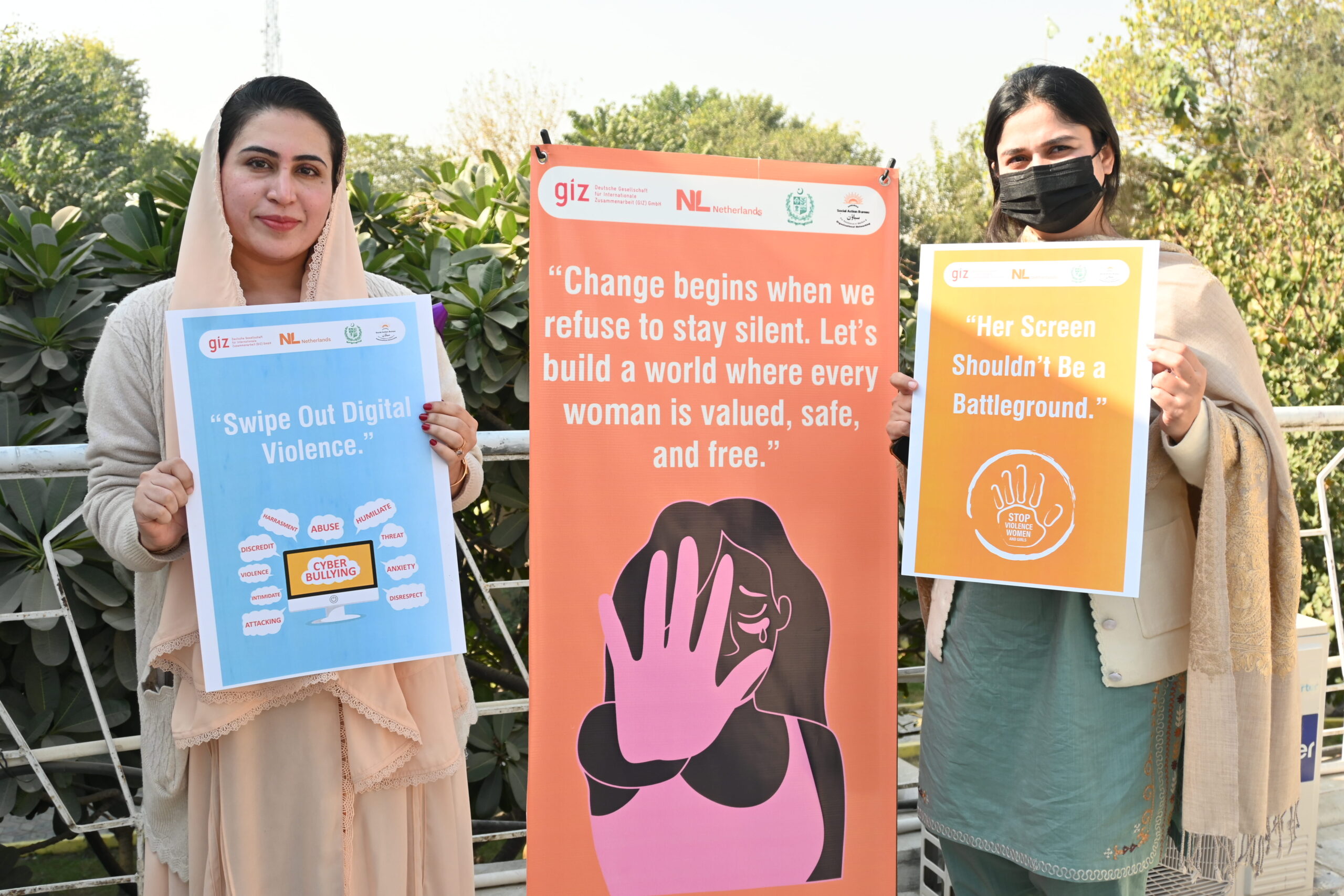
Gender inequality remains a major barrier to development. SABAWON promotes women’s empowerment and gender inclusion across all programs, with dedicated interventions to enhance women’s social, economic, and decision-making roles. Programs focus on women’s livelihoods, access to services, leadership development, and awareness of rights. SABAWON works to reduce barriers faced by women and girls, including harmful social norms and limited economic opportunities. Gender analysis and safeguarding principles are integrated into program design and implementation. SABAWON actively promotes safe participation, protection, and inclusion of women and girls in all sectors.

Agriculture

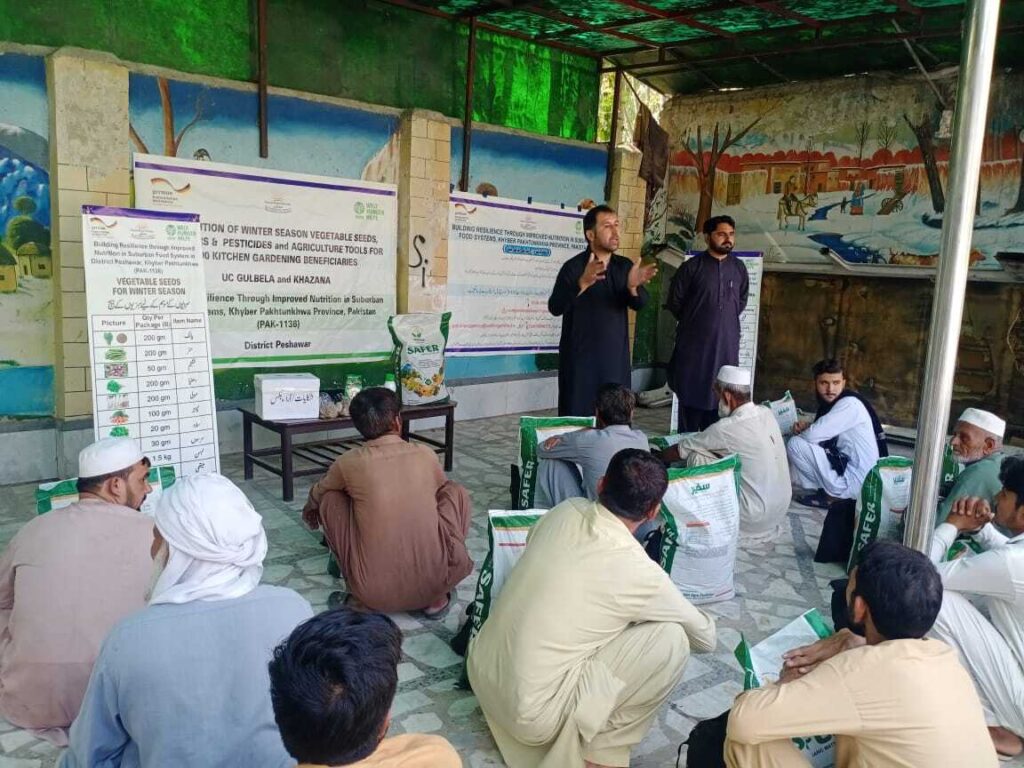
Agriculture-based livelihoods are critical for rural communities. SABAWON supports small-scale farmers to improve productivity, income, and resilience through sustainable and climate-sensitive agricultural practices. Interventions include farmer training, improved inputs, water-efficient techniques, and promotion of diversified cropping systems. SABAWON also supports value-chain linkages to improve market access and income stability. Agriculture programs are closely linked with food security, nutrition, and livelihoods initiatives, ensuring an integrated approach to rural development.

Community Physical Infrastructure (CPIs)

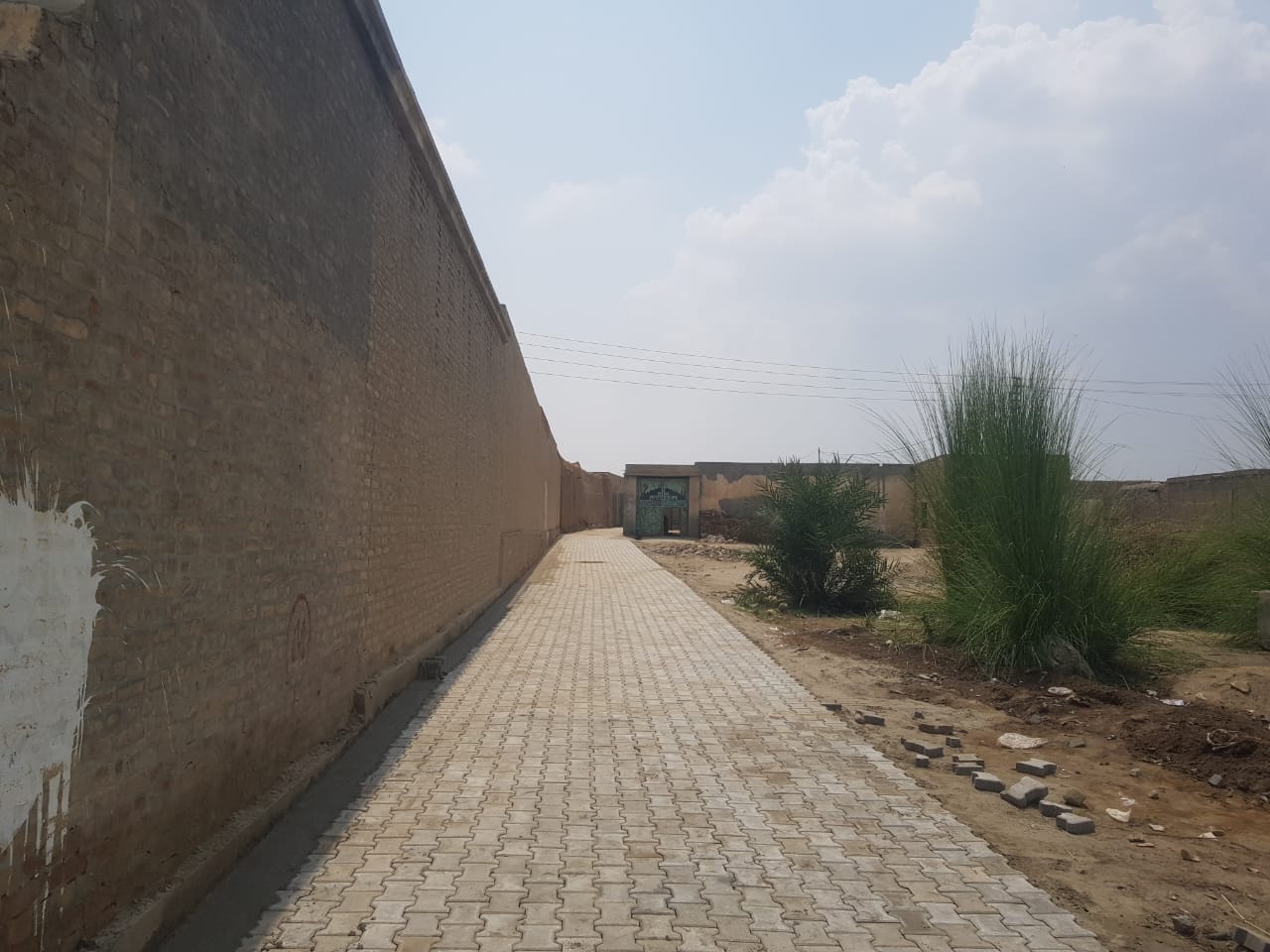
SABAWON supports the construction and rehabilitation of essential community infrastructure to improve access to services and strengthen resilience. CPIs include water schemes, schools, health facilities, sanitation structures, and access pathways. Infrastructure projects are designed through participatory planning and implemented using quality standards, safety measures, and environmental considerations. Community ownership and maintenance mechanisms are integral to CPI sustainability. These interventions play a critical role in improving service delivery, reducing vulnerability, and supporting recovery in disaster-affected areas.

Governance and Institutional Development
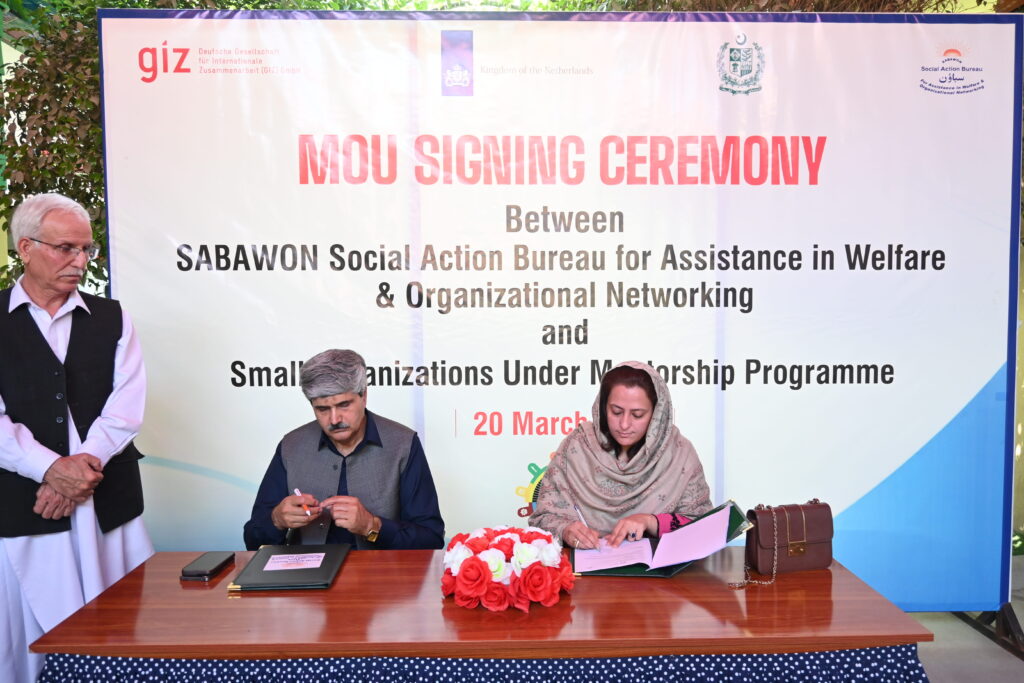
Strong local institutions are essential for sustainable development. SABAWON works to strengthen governance structures, community organizations, and service providers through capacity building and systems strengthening. Interventions focus on participatory planning, accountability mechanisms, leadership development, and coordination between communities and public institutions. SABAWON supports community-based organizations to effectively represent local priorities and manage development initiatives. Governance programming contributes to social cohesion, transparency, and improved service delivery at the local level.

Child Rights and Protection

SABAWON promotes the protection, wellbeing, and rights of children through community-based and institutional interventions. Programs focus on child protection awareness, safe learning environments, and prevention of abuse, neglect, and exploitation. The organization works with families, schools, and local institutions to strengthen child protection mechanisms and referral pathways. Child safeguarding principles are embedded across all SABAWON programs.

Migration and displacement

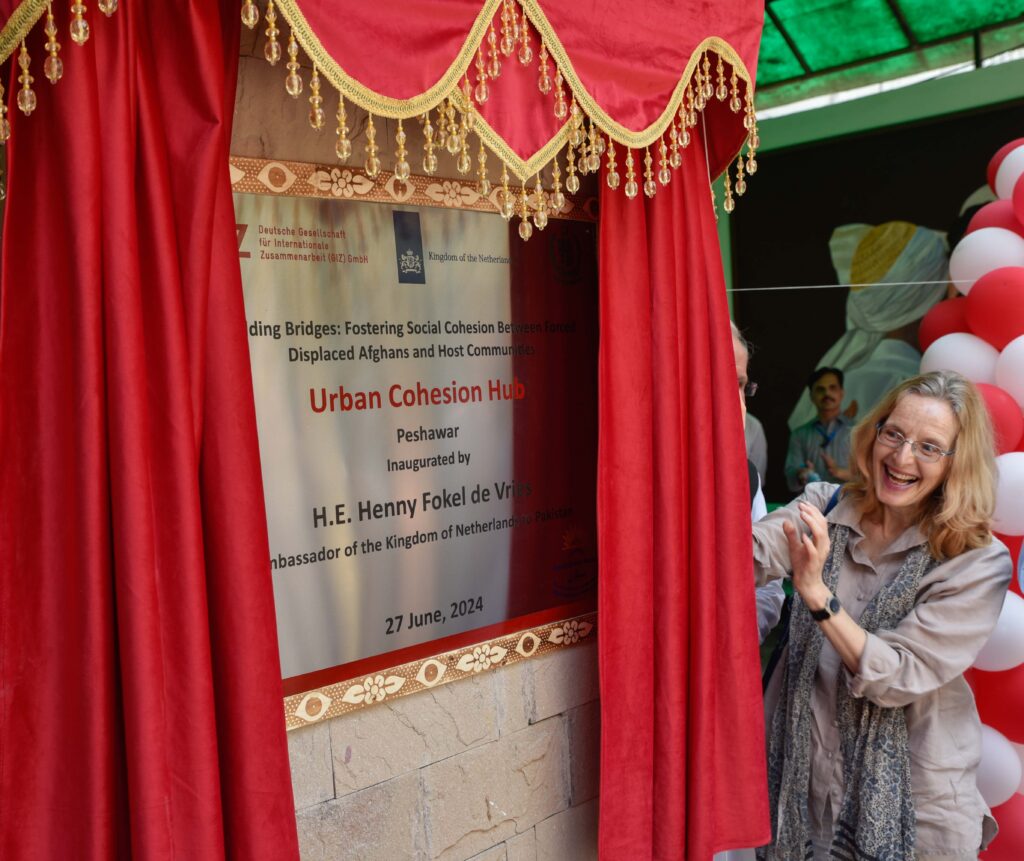
SABAWON provides protection-oriented support to displaced, returnee, and migrant populations affected by conflict, disasters, or economic hardship. Shelter interventions focus on safety, dignity, and adequacy, aligned with humanitarian standards. Programs also address basic services, protection needs, and social inclusion of migrant and displaced populations. SABAWON works closely with authorities and humanitarian partners to ensure coordinated and context-appropriate responses. Interventions include farmer training, improved inputs, water-efficient techniques, and promotion of diversified cropping systems. SABAWON also supports value-chain linkages to improve market access and income stability. Agriculture programs are closely linked with food security, nutrition, and livelihoods initiatives, ensuring an integrated approach to rural development.
Scroll to Top