Emergency Response
Emergency Response
Emergency response is a core pillar of SABAWON’s work and a defining component of its organizational identity. With decades of field experience in Khyber Pakhtunkhwa, SABAWON has developed the capacity to respond effectively to natural disasters, climate-induced shocks, displacement, and public health emergencies. The organization’s emergency interventions are grounded in humanitarian principles, operational readiness, and a strong understanding of local contexts.
2005 Earthquake
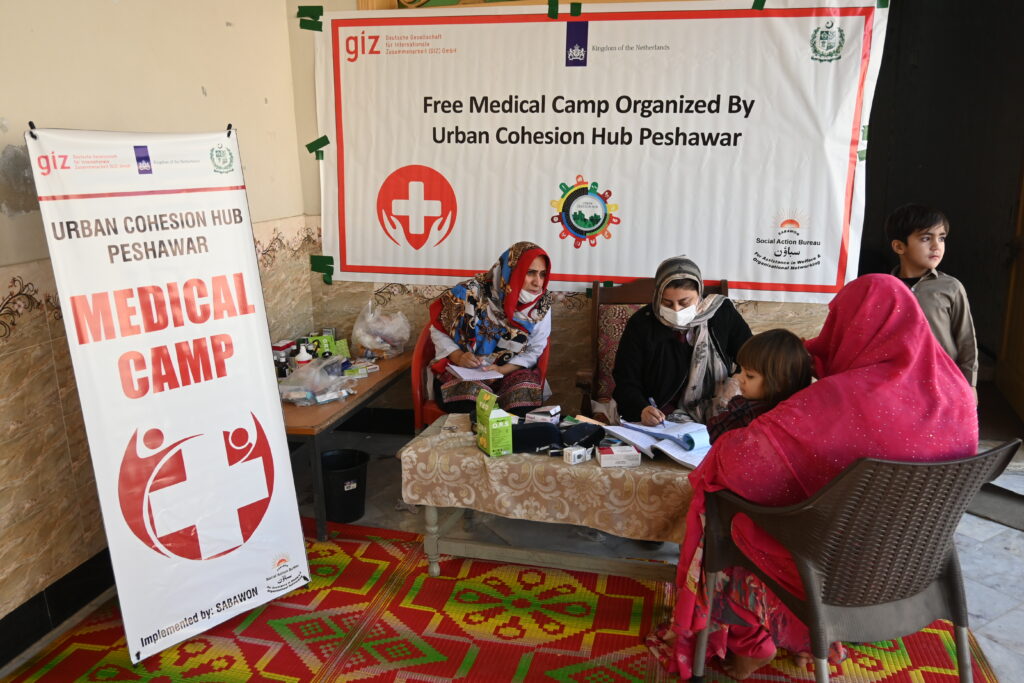
In response to the devastating 2005 earthquake, SABAWON, with support from its partners, implemented emergency relief interventions in earthquake-affected areas. The response focused on restoring access to safe drinking water and improving sanitation to reduce the risk of disease outbreaks among affected communities. Through rapid rehabilitation of WASH facilities and community-level support, SABAWON helped vulnerable households stabilize basic living conditions in the immediate aftermath of the disaster.
2010 Floods
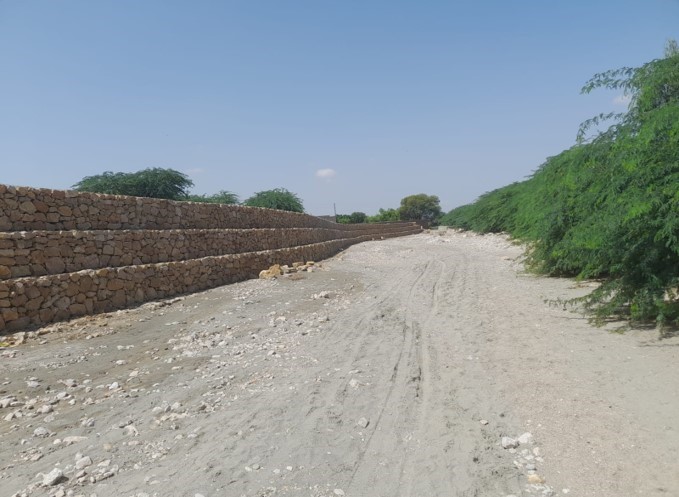
Following the 2010 floods, SABAWON, with support from its partners, rehabilitated flood-damaged water and sanitation systems through infrastructure upgrading, hygiene promotion, and strong community mobilization. In parallel, integrated WASH and Emergency Food Security and Livelihood (EFSL) interventions were implemented to support flood-affected communities in meeting urgent survival needs while facilitating early household-level recovery.
2014 Displacement Crisis of Tribal Communities
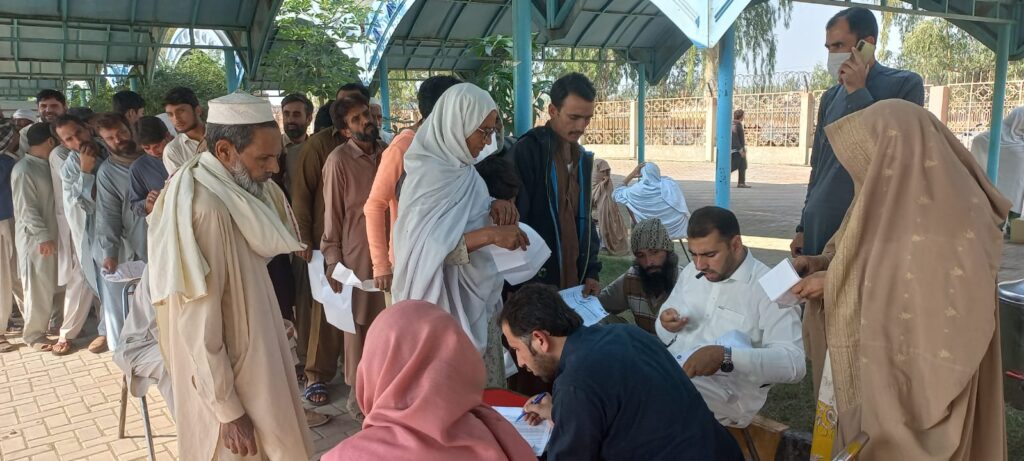
During the 2014 displacement crisis, SABAWON implemented emergency WASH and up-scaled rural sanitation interventions in District Bannu with UNICEF support (2015–2016), reaching approximately 10,000 families (70,000 individuals) from North Waziristan and host communities. The response included installation of hand pumps, storage tanks, latrines including disability-friendly facilities, water trucking in spontaneous camps, and rehabilitation of WASH facilities in 40 schools. Community ownership was strengthened through Village Sanitation Committees, training of Community Resource Persons and local masons, and large-scale hygiene promotion, ensuring both immediate impact and sustainable sanitation outcomes.
2019–2020 COVID-19 Emergency
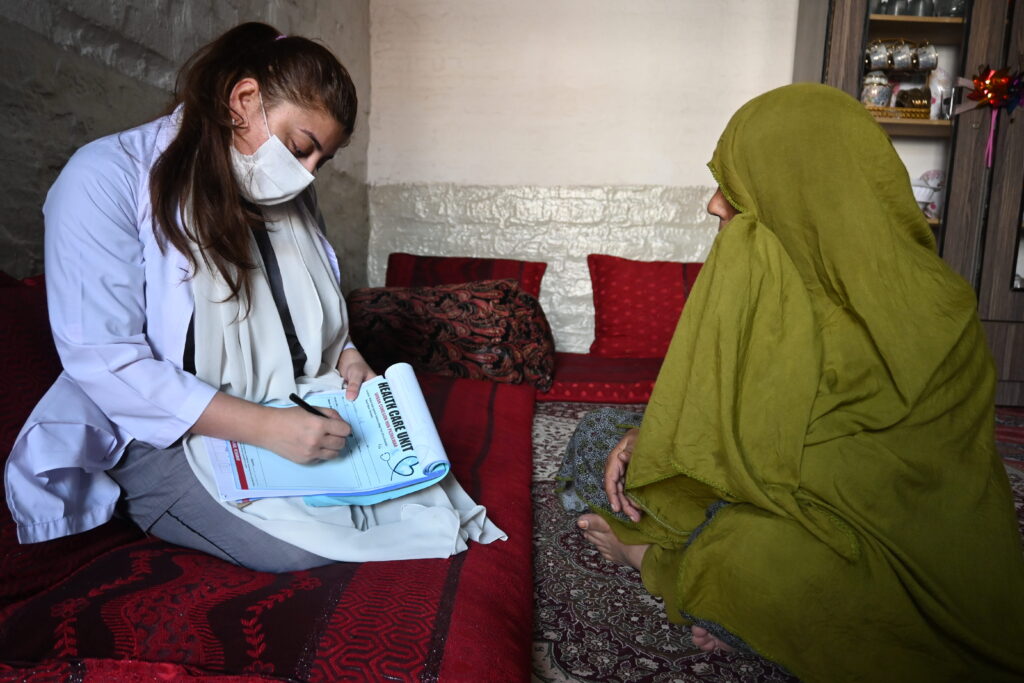
During the COVID-19 pandemic, SABAWON, with support from Welthungerhilfe (WHH) and BMZ, delivered life-saving emergency assistance in District Bannu and North Waziristan, targeting 10,000 highly vulnerable individuals, including women, children, older persons, and people with disabilities. Interventions focused on food and non-food assistance, safe water, sanitation facilities, hygiene promotion, and risk awareness in conflict- and displacement-affected areas. In parallel, SABAWON supported district administrations across Khyber Pakhtunkhwa through large-scale awareness campaigns, distribution of hygiene supplies, and linkage of vulnerable households to government relief mechanisms, contributing to reduced transmission risks and strengthened community resilience.
2022 and 2025 Flood Relief Assistance
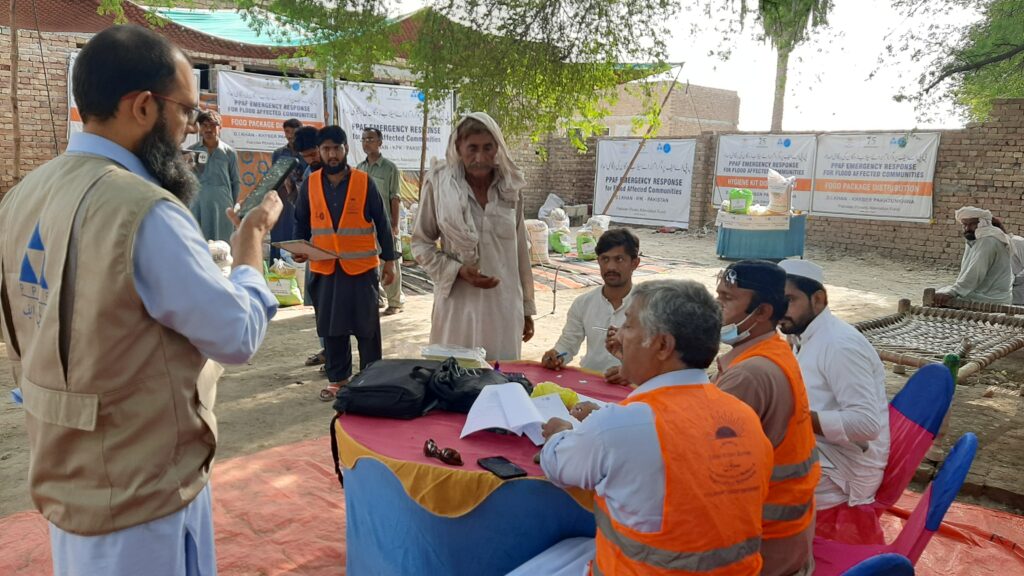
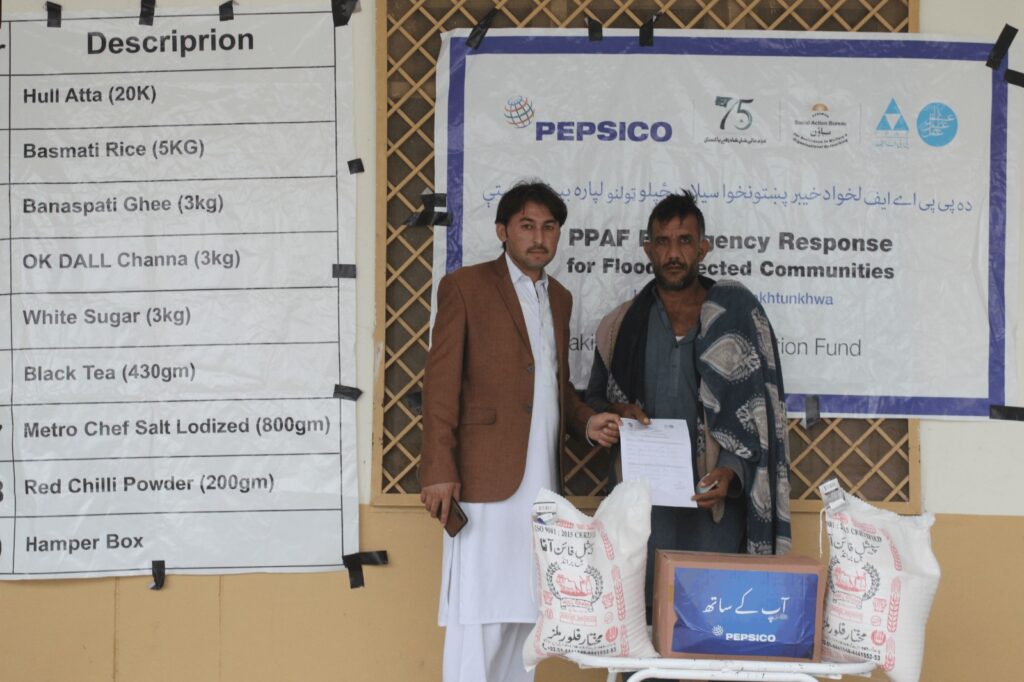
In response to the 2022 and 2025 floods, SABAWON, with financial support from the Pakistan Poverty Alleviation Fund (PPAF), implemented emergency relief interventions in flood-affected areas. The response prioritized extremely vulnerable households through the provision of food and essential non-food items, with a strong focus on women, children, persons with disabilities, older persons, and ultra-poor families. These interventions addressed immediate survival needs while enabling affected communities to begin recovery in a dignified and safe manner.