Feedback And Complaint Response Mechanism (FCRM)
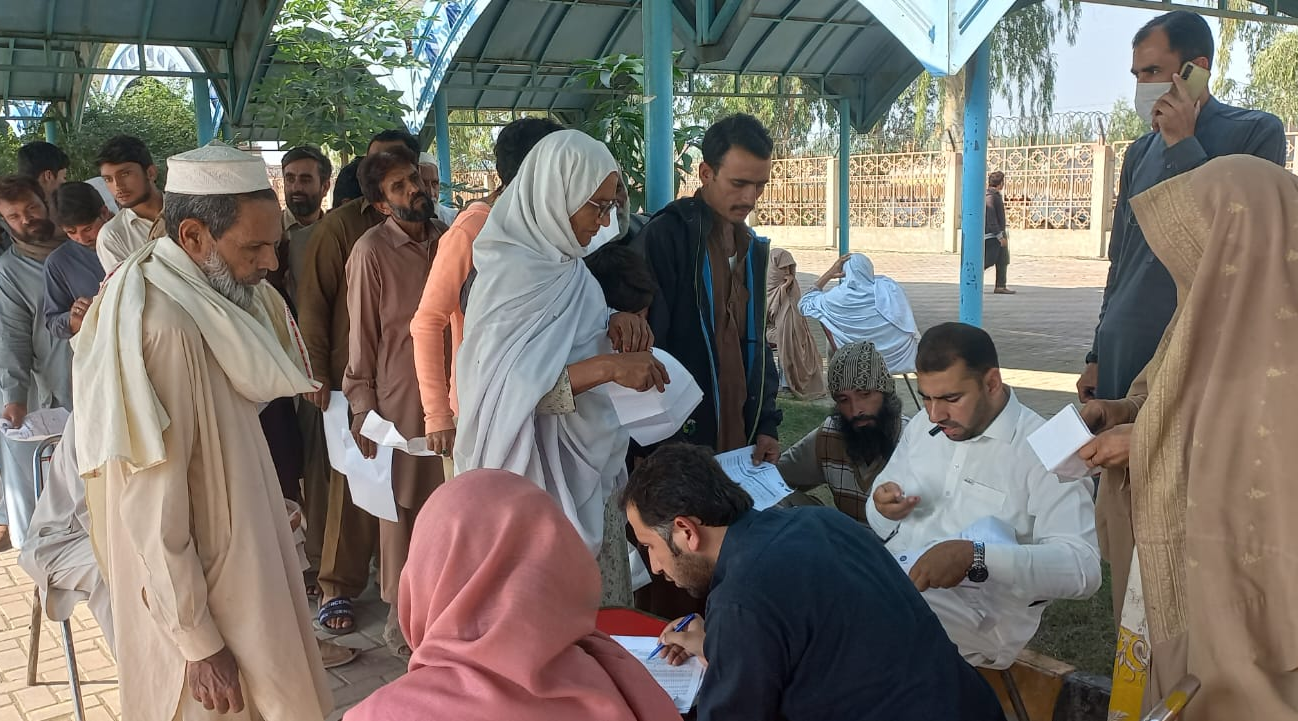
SABAWON places accountability to communities, its partners, and stakeholders at the core of its humanitarian and development mandate. To uphold this commitment, the organization has established a structured, inclusive, and accessible Feedback and Complaint Response Mechanism (FCRM) that enables individuals and communities to safely provide feedback, raise concerns, or lodge complaints related to program quality, staff conduct, partner behaviour, or the use of resources.
The FCRM is aligned with the Core Humanitarian Standards (CHS) for quality and accountability, particularly CHS Commitment 5, and reflects SABAWON’s institutional commitment to transparency, ethical conduct, and continuous learning. The mechanism is designed not only to address complaints, but also to strengthen trust, empower communities, and improve program effectiveness.
Feedback And Complaint Response Mechanism (Fcrm)
Purpose and Objectives
- To enable project participants and stakeholders to share feedback on program relevance, accessibility, and quality.
- To identify gaps, risks, or misuse of resources at an early stage.
- To provide safe, confidential, and accessible channels for reporting sensitive complaints, including sexual exploitation and abuse (SEA), abuse of power, corruption, fraud, or inappropriate behaviour.
- To ensure complaints are handled in a timely, fair, and consistent manner.
- To promote organizational learning and adaptive management through systematic analysis of feedback.
- To reinforce community confidence in SABAWON’s accountability and safeguarding systems.
Feedback And Complaint Response Mechanism (Fcrm)
Scope and Accessibility
The FCRM applies to all SABAWON operations, including staff, consultants, contractors, partners, volunteers, and visitors across all program locations. The mechanism is designed to be inclusive and accessible, taking into account gender, age, disability, literacy levels, and cultural sensitivities.
Feedback And Complaint Response Mechanism (Fcrm)
FCRM Channels
Both online and offline channels are used to ensure accessibility in remote, low-connectivity, and emergency settings.
- Direct reporting to designated focal persons
- Community-level reporting points
- Written submissions and suggestion boxes
- Phone, messaging, or digital platforms
Feedback And Complaint Response Mechanism (Fcrm)
Community Engagement and Design
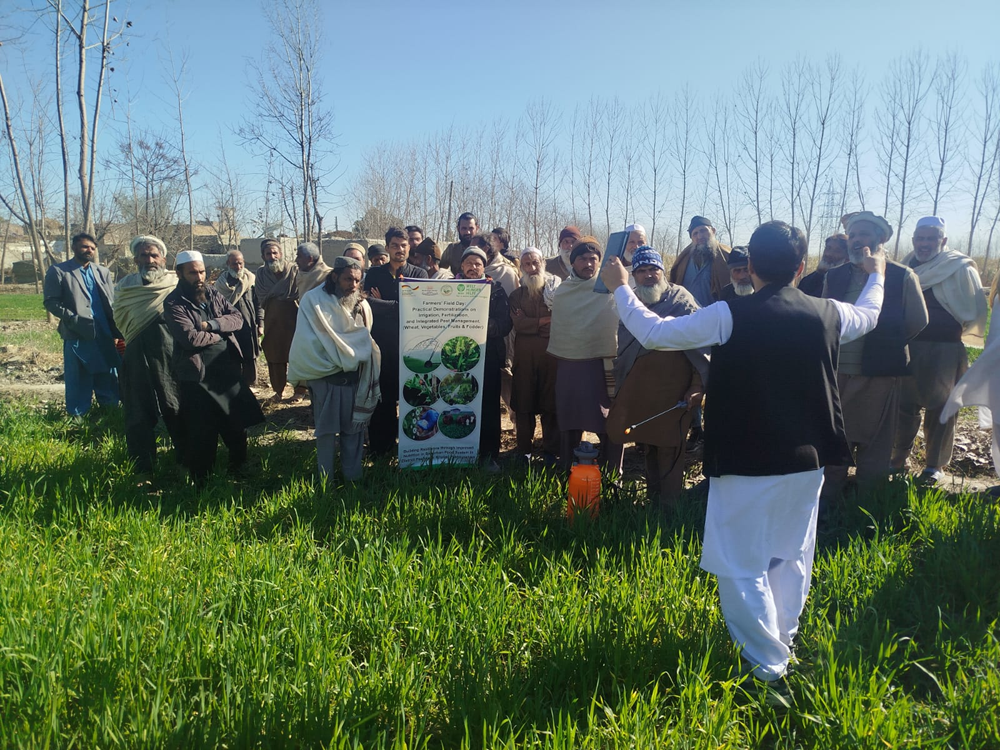
The establishment of the FCRM is preceded by structured engagement with communities and stakeholders. This includes clear and transparent information sharing on:
- Project objectives, activities, and selection criteria for beneficiaries or trainees.
- Expected and prohibited behaviors of SABAWON staff, partners, contractors, and visitors.
- Rights and responsibilities of community members.
- Available feedback and complaint channels and how to use them safely.
Information materials are developed and disseminated to ensure awareness and understanding at community level.
Feedback And Complaint Response Mechanism (Fcrm)
Capacity Building and Awareness
SABAWON invests in strengthening internal and partner capacity to implement the FCRM effectively. Staff and partners receive regular orientation and training on:
- Accountability to affected populations and CHS principles.
- Ethical complaint handling and confidentiality.
- Survivor-centred and rights-based approaches.
- Referral pathways for sensitive cases.
Training cascades are used to ensure that community representatives and local organizations are also equipped to support awareness and safe use of the mechanism.
Feedback And Complaint Response Mechanism (Fcrm)
Complaint Handling, Safeguarding, and Confidentiality
All feedback and complaints are recorded, reviewed, and addressed in line with established procedures. SABAWON ensures:
- Strict confidentiality and data protection.
- Protection from retaliation for complainants.
- Clear timelines and responsibilities for response and resolution.
SABAWON maintains zero tolerance for sexual exploitation and abuse, harassment, corruption, and financial misconduct. Sensitive complaints, including SEA or serious ethical violations, are immediately escalated to senior management. Investigation committees are constituted as required, and cases are handled promptly and consistently. Where appropriate, coordination is undertaken with partners, legal or compliance entities, and donors, in line with contractual and ethical obligations.
Feedback And Complaint Response Mechanism (Fcrm)
Learning, Reporting, and Accountability
Feedback and complaint data are analysed regularly to identify trends, systemic issues, and areas for improvement. Lessons learned are used to:
- Improve program design and delivery.
- Strengthen risk management and safeguarding measures.
- Enhance staff performance and accountability.
Aggregated and anonymized findings are shared internally with management and relevant teams, and externally with donors or partners when required. Through its FCRM, SABAWON reinforces a culture of accountability, transparency, and respect for community voice.